
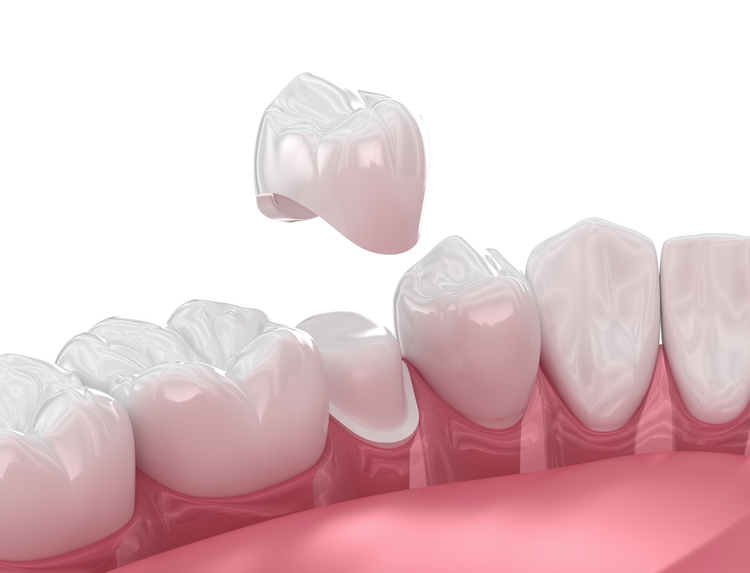
Getting a new dental crown is a significant step toward restoring your smile and protecting a compromised tooth. Whether you received the crown for cosmetic reasons, to cover a damaged tooth, or after a root canal, proper aftercare is essential to ensure the longevity and success of your restoration. Understanding how to care for your new dental crown can help you avoid complications and keep your mouth healthy in the long run.
What to Expect After the Procedure
After your crown is placed, it’s normal to experience some sensitivity or mild discomfort. This usually occurs as your mouth adjusts to the new addition. The tooth beneath the crown, especially if it wasn’t treated with a root canal, may be sensitive to temperature changes. This sensitivity should decrease within a few days, though it may linger slightly longer in some cases. If your bite feels off or you experience sharp pain when biting down, it’s important to contact your dentist. A crown that is too high can cause jaw discomfort and may need to be adjusted.
Daily Oral Hygiene with a Crown
Just because a crown is made of durable materials like porcelain or ceramic doesn’t mean it’s invincible. Good oral hygiene is crucial to prevent decay at the base of the crown and to protect the surrounding gum tissue. Brushing twice a day with a soft-bristled toothbrush and fluoride toothpaste helps remove plaque buildup. Don’t neglect flossing. Carefully slide the floss between your teeth and crown to keep the area clean. Consider using an antibacterial mouthwash to further reduce bacteria and keep your gums healthy.
While the crown itself won’t decay, the tooth structure underneath still can. Gum disease can also threaten the stability of your crown if it leads to gum recession. Regular cleanings and checkups with your dentist will help catch potential problems early.
Foods to Avoid
Immediately after the procedure, you should steer clear of sticky or chewy foods like caramel, gum, and taffy, as they can dislodge a crown, particularly if temporary cement was used. Hard foods such as ice, nuts, or hard candies can also crack or chip the crown, especially if it’s made of porcelain. Once the crown has fully set and you’ve adjusted to its presence, you can typically return to your normal diet. That said, it’s wise to continue avoiding overly hard or sticky foods to prolong the life of your restoration.
Watch for Warning Signs
Even with proper care, complications can occur. If you notice unusual pain, swelling around the crowned tooth, or signs of infection like pus or a bad taste in your mouth, contact your dentist promptly. A loose crown, visible cracks, or changes in the way your teeth fit together are also causes for concern. Crowns can last many years with proper care, often 10 to 15 years or more, but they’re not permanent. Regular dental visits allow your dentist to monitor the crown and make recommendations when replacement becomes necessary.
Long-Term Maintenance
Think of your dental crown as part of your natural smile. Treat it with the same care and attention you would give to your other teeth. Avoid using your teeth as tools to open packages or bite fingernails, as this can damage both your crown and natural teeth. If you grind your teeth at night, talk to your dentist about getting a custom night guard. Teeth grinding can wear down crowns prematurely and lead to jaw discomfort or cracking.
Dental Crown Care in Fayetteville, AR
At Greenway Dental Care, we are committed to preserving your natural tooth structure whenever possible. If you have decay or damage, a dental crown could restore your bite and prevent further complications. Contact our office today to schedule a consultation and learn more about how to care for your dental restorations.